Most businesses in the Philippines start with a traditional WordPress setup — and for good reason. It’s affordable, accessible, and powerful enough for many small to mid-sized companies.
But as organizations grow, digital expectations increase.
Websites are no longer just online brochures. They are:
- Lead generation machines
- eCommerce engines
- SaaS platforms
- Content distribution hubs
- Customer portals
- Internal systems
- Brand authority tools
At this stage, architecture decisions begin to matter.
This is where Headless WordPress enters the conversation.
At High6, we often get asked:
“Should we stay with traditional WordPress or go headless?”
The answer depends on strategy, scale, and performance goals — not trends.
Let’s break it down clearly and strategically.
What Does “Headless” Actually Mean?
In a traditional WordPress setup:
- WordPress manages content (posts, pages, products, media)
- WordPress themes control how content is displayed
- Plugins extend functionality
- Everything is tightly integrated
It’s one system doing everything.
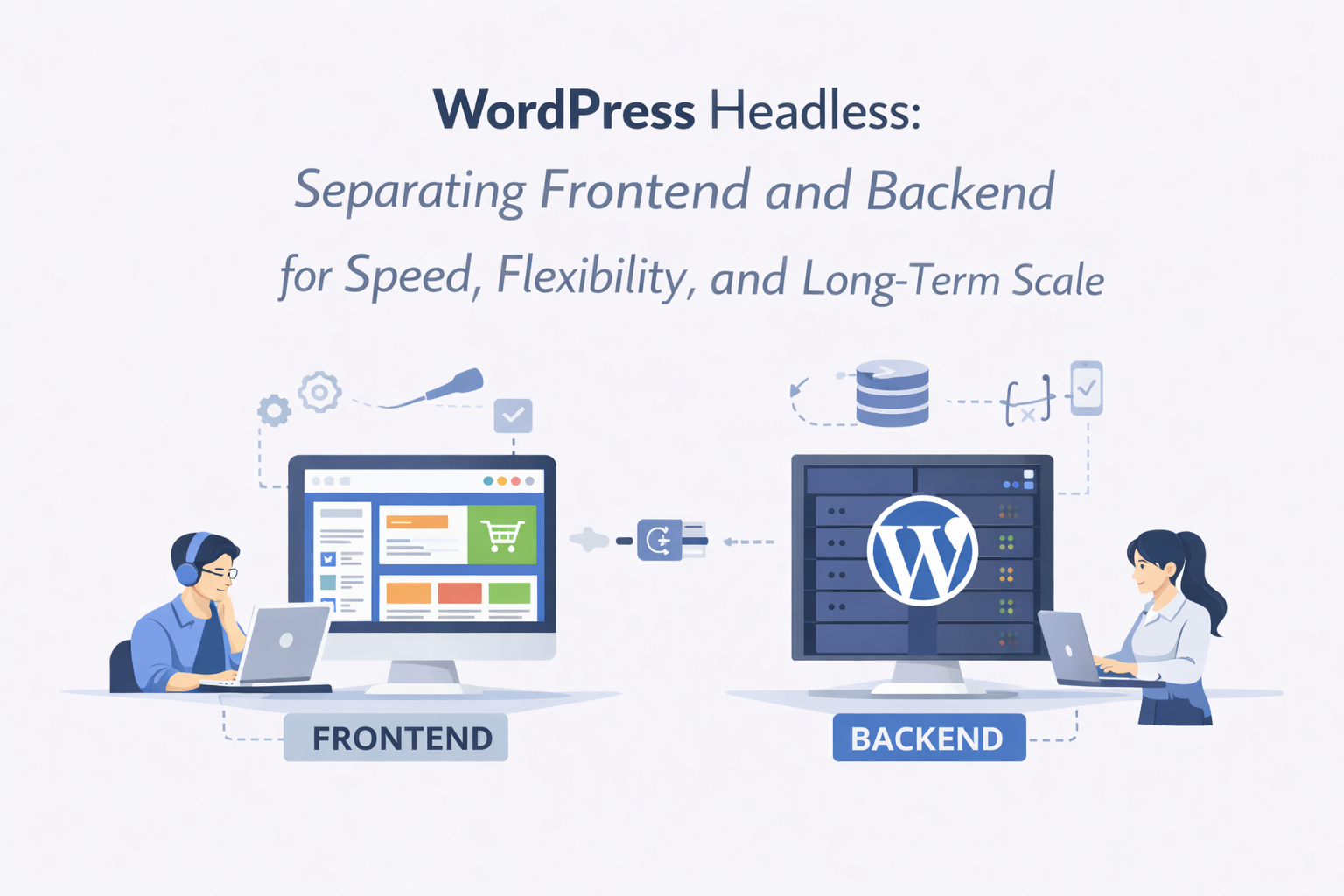
In a headless setup:
- WordPress remains the backend CMS (content management system)
- The frontend is built separately using modern frameworks such as React, Next.js, Vue, or similar technologies
- The frontend retrieves content from WordPress via API (REST API or GraphQL)
In simple terms:
WordPress handles content.
A separate system handles presentation.
They are connected — but independent.
Why Separate Frontend and Backend?
Because flexibility and performance are often limited in tightly coupled systems.
Separating layers gives businesses more control in areas that directly impact revenue and scalability.
Here’s how.
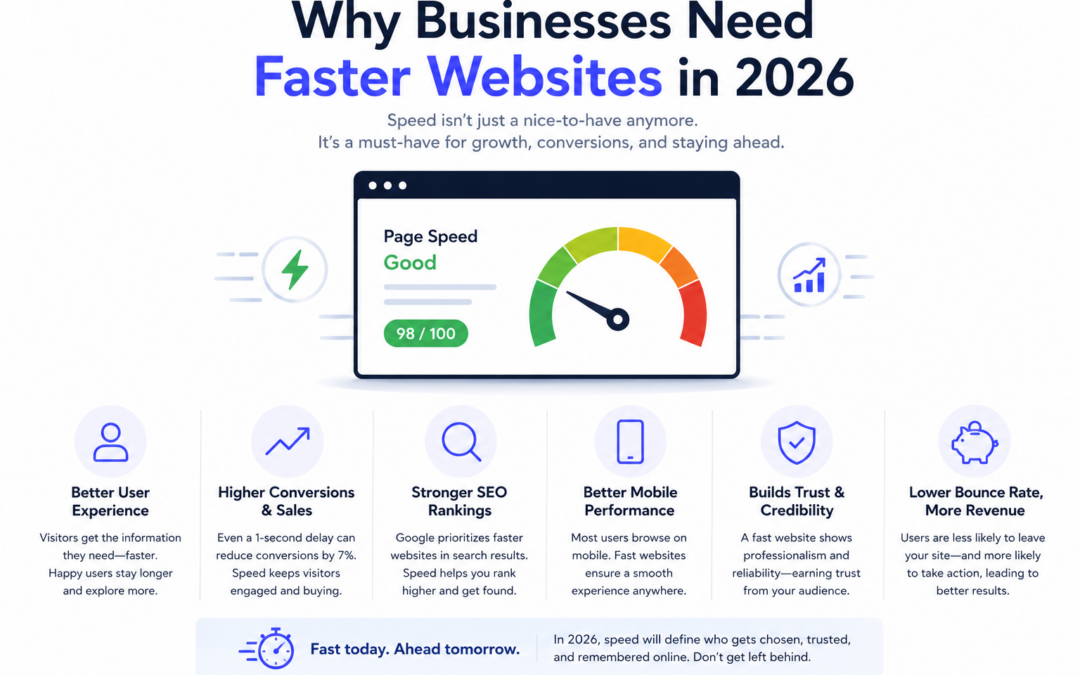
Performance: The Real Competitive Advantage
In the Philippine market, most website visitors are mobile users. Network speeds vary. Patience is short.
If your website loads slowly:
- Bounce rate increases
- Conversions decrease
- SEO rankings suffer
- Paid ads become less efficient
Traditional WordPress sites often rely on:
- Multiple plugins
- Heavy themes
- Page builders
- Dynamic server-side rendering
- Large JavaScript bundles
As functionality grows, performance usually declines.
Headless architecture allows:
- Static site generation
- Server-side rendering optimization
- Better caching strategies
- Leaner frontend bundles
- Improved Core Web Vitals
- Faster Time to First Byte (TTFB)
Modern frameworks can pre-render pages, cache intelligently, and reduce unnecessary script loading.
For high-traffic businesses or SEO-driven brands, these optimizations are not small — they directly impact revenue.
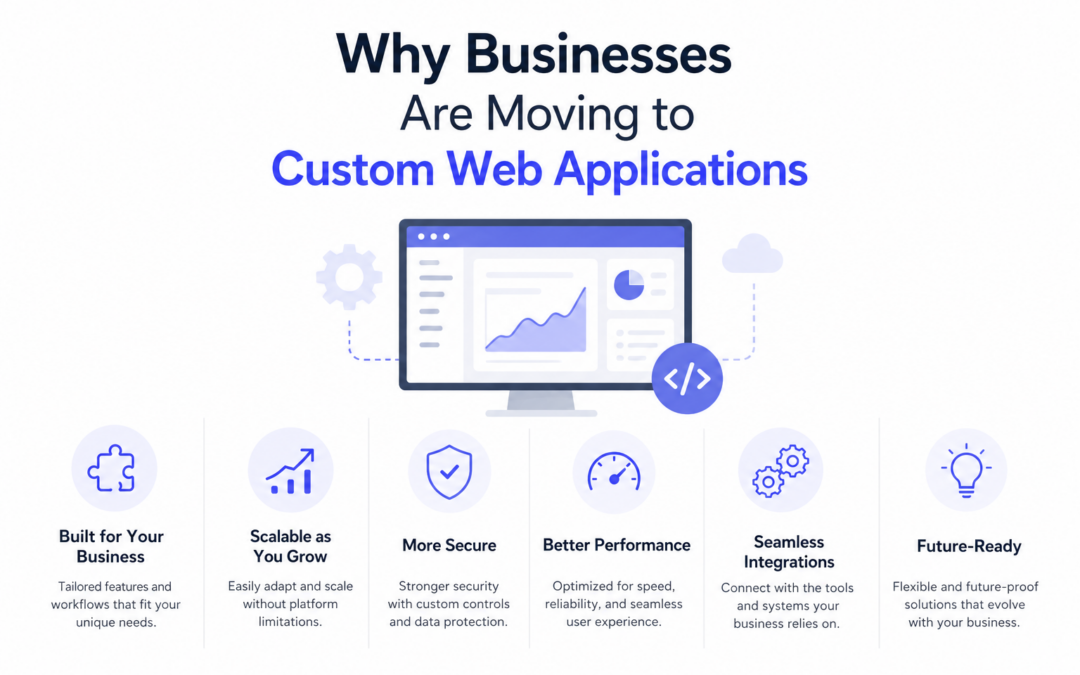
Scalability Without Structural Bottlenecks
As businesses grow, their digital requirements expand.
You may eventually need:
- Multi-language versions
- Regional microsites
- Mobile applications
- Client dashboards
- Interactive tools
- API integrations
- Custom workflows
- Marketing automation connections
In traditional WordPress builds, heavy customization can create:
- Plugin conflicts
- Theme limitations
- Maintenance complexity
- Slower update cycles
- Higher security exposure
Headless architecture allows:
- Independent frontend scaling
- Backend optimization separately
- Microservice integration
- Cleaner deployment pipelines
- CI/CD automation
- Containerized infrastructure
For startups planning rapid expansion, or enterprises handling large digital ecosystems, this separation prevents future architectural bottlenecks.
Multi-Platform Content Strategy
One of the strongest advantages of headless WordPress is centralized content distribution.
In traditional setups, content lives inside one website.
In headless setups, content becomes reusable across platforms.
The same WordPress backend can power:
- Marketing websites
- Mobile apps
- Internal portals
- Kiosk displays
- Partner dashboards
- Third-party integrations
This reduces operational redundancy.
Instead of managing content in multiple systems, you manage it once — and distribute it everywhere.
For companies building digital ecosystems rather than just websites, this becomes extremely valuable.
Advanced User Experience and Custom Interactions
Traditional WordPress themes have structural limits.
Even premium themes operate within predefined layouts and capabilities.
Headless frontends allow:
- Highly interactive interfaces
- App-like experiences
- Real-time filtering
- Dynamic personalization
- Animation-heavy landing pages
- Complex dashboard systems
- Data-driven components
- Progressive Web Apps (PWA)
If your digital strategy requires advanced UX — especially in SaaS, fintech, healthcare tech, logistics platforms, or AI-driven services — headless makes execution significantly smoother.
It removes theme constraints entirely.
Security Improvements Through Separation
Security in WordPress is often managed through:
- Plugin updates
- Hosting protection
- Firewall services
- Security plugins
In a headless architecture:
- The WordPress backend can be isolated from public access
- Only API endpoints are exposed
- The frontend can be deployed separately via CDN
- Server-level configurations can be stricter
This reduces attack surfaces and improves overall system resilience.
While no architecture eliminates risk completely, separation provides structural advantages.
Development Workflow Advantages
For growing tech-driven organizations, development workflow matters.
Traditional WordPress updates can sometimes feel like:
- Manual deployments
- Risky plugin upgrades
- Limited staging environments
- Conflicts during theme changes
Headless setups allow:
- Modern Git-based workflows
- Version-controlled frontend development
- Automated testing
- Staging and production separation
- Cloud-native deployment
- CI/CD pipelines
This is particularly beneficial for:
- SaaS companies
- Tech startups
- Digital-first enterprises
- Companies with internal development teams
SEO Considerations: Is Headless Good for Search Rankings?
There’s a common misconception that headless setups hurt SEO.
In reality, properly built headless websites can outperform traditional setups.
With frameworks like Next.js:
- Pages can be pre-rendered
- Metadata can be dynamically generated
- Structured data can be implemented cleanly
- Performance metrics improve
- Core Web Vitals become stronger
Google prioritizes speed, mobile usability, and structured markup — all of which can be optimized better in headless environments when done correctly.
However, SEO must be architected carefully.
Poor API structuring or improper rendering methods can harm discoverability.
That’s why technical implementation matters.
When Headless Is Not the Right Choice
Despite its advantages, headless is not always necessary.
It may not be ideal if:
- Budget is limited
- You only need a simple brochure website
- Traffic volume is low
- You don’t require complex functionality
- You don’t have long-term scalability plans
- Your team cannot maintain a more technical setup
Headless architecture involves more development work upfront.
It is an investment in long-term flexibility.
If your current needs are basic, traditional WordPress remains efficient and practical.
The Philippine Market: Why Headless Is Becoming Relevant
The Philippine digital landscape is evolving rapidly.
More companies are:
- Launching tech-enabled platforms
- Building subscription-based models
- Expanding across Southeast Asia
- Integrating AI and automation
- Targeting international markets
Digital maturity is increasing.
Architecture decisions made today will affect scalability tomorrow.
Companies that treat their website as infrastructure — not just marketing collateral — are the ones preparing for sustainable digital growth.
Headless WordPress aligns with that mindset.
Cost Considerations
Headless is typically:
- More expensive upfront
- More development-intensive
- More architecture-focused
But it can reduce:
- Long-term performance issues
- Structural redesign costs
- Platform migration risks
- Rebuilding expenses when scaling
For companies planning aggressive growth, rebuilding later can cost significantly more than building strategically now.
The High6 Strategic Perspective
At High6, we don’t treat headless as a buzzword solution.
We evaluate:
- Business stage
- Growth projections
- Revenue dependency on digital channels
- Traffic expectations
- Multi-platform needs
- Internal team capability
- Budget alignment
Some clients need traditional WordPress.
Some need custom WordPress builds.
Some require headless architecture.
The key is alignment with long-term business strategy.
Technology should support scale — not restrict it.
Final Thoughts
Headless WordPress is not about chasing trends.
It is about architectural flexibility.
Separating frontend and backend provides:
- Performance advantages
- Scalability freedom
- Multi-platform content distribution
- Advanced UX capability
- Better workflow systems
- Cleaner security layers
For Philippine companies preparing for expansion, digital transformation, or platform-level growth, this separation can become a competitive advantage.
Your website should not just look good today.
It should be engineered for tomorrow.
If you’re evaluating whether your current WordPress setup can support your next stage of growth, High6 can help you assess the right architecture — strategically and technically.
Because in digital infrastructure, structure determines scale.