In 2026, a business website is no longer just an online brochure. It has become one of the most important tools for building credibility, generating leads, supporting customer service, and driving sales. Customers now expect websites to be fast, easy to use, mobile-friendly, and designed around convenience.
For businesses that want to stay competitive, having the right website features can make a major difference in how customers perceive the brand and whether they decide to inquire, buy, or leave.
1. Mobile-First Design
Most users now browse websites through their phones before checking them on desktop. A website that looks good on mobile, loads properly, and is easy to navigate on smaller screens is no longer optional.
A mobile-first website should have:
- Responsive layouts
- Large, clickable buttons
- Fast-loading pages
- Easy-to-read text
- Contact buttons that are visible immediately
If visitors need to zoom in, scroll excessively, or struggle to click buttons, they are more likely to leave the website.
2. Fast Loading Speed
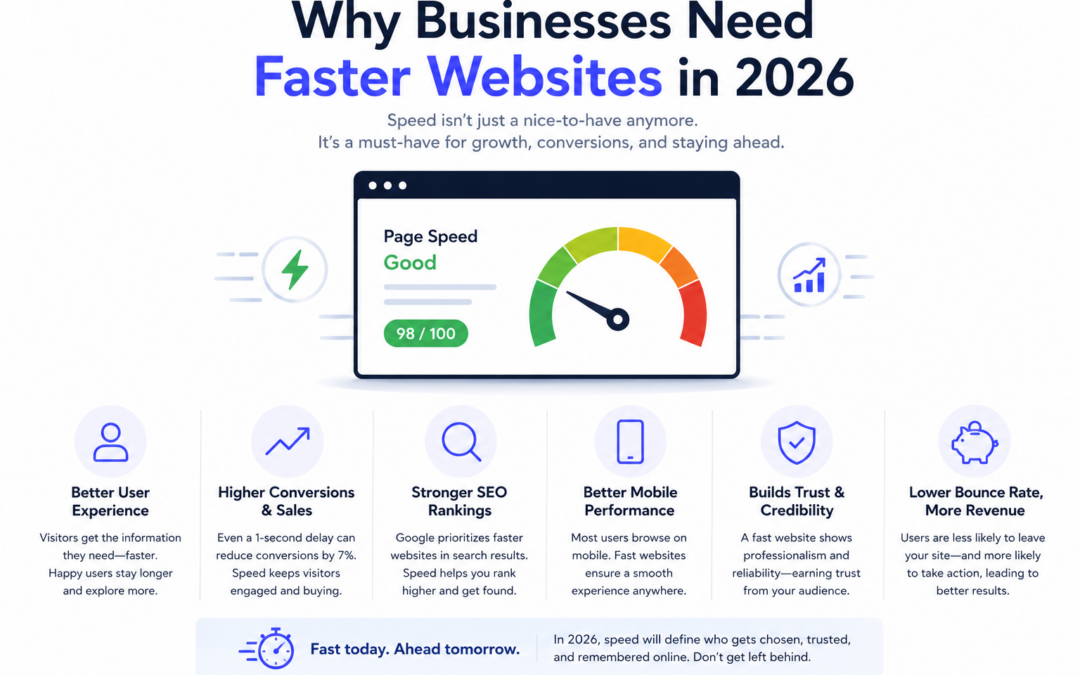
Website speed directly affects user experience, search engine rankings, and conversion rates. People expect a website to load within a few seconds. If it takes too long, many users will leave before even seeing the content.
Businesses should focus on:
- Optimized images
- Clean coding
- Reliable hosting
- Minimal unnecessary animations
- Lightweight page structures
A fast website creates a smoother experience and increases the chances of users staying longer.
3. Clear Calls-to-Action
Every business website should guide visitors toward a next step. Whether it is requesting a quote, booking a consultation, making a purchase, or sending an inquiry, the website should make the action obvious.
Examples of strong calls-to-action include:
- Get a Free Quote
- Book a Consultation
- Contact Us Today
- Download Our Brochure
- Request a Demo
Calls-to-action should be placed strategically throughout the website, not just on the contact page.
4. Integrated Chat or Inquiry Features
Customers expect quick responses. Adding a live chat feature, inquiry form, or direct messaging integration allows visitors to reach out instantly.
Popular options include:
- Messenger integration
- WhatsApp chat buttons
- Website contact forms
- Live chat support
- Automated chatbot responses
These tools help businesses capture leads even outside regular business hours.
5. Strong Visual Branding
A website should clearly reflect the company’s identity. Consistent colors, fonts, logos, and imagery help create a professional appearance and make the business more memorable.
Strong branding builds trust because customers are more likely to engage with a business that looks established and polished.
6. SEO-Friendly Structure
A great-looking website is not enough if people cannot find it online. Search engine optimization remains one of the most important website features in 2026.
An SEO-friendly website should include:
- Proper page titles and meta descriptions
- Keyword-focused content
- Optimized images
- Fast page speed
- Mobile responsiveness
- Clear website structure
Businesses that invest in SEO can improve their visibility on search engines and attract more organic traffic.
7. Customer Reviews and Testimonials
Trust is one of the biggest factors in converting visitors into customers. Displaying testimonials, reviews, and case studies can help build confidence in the business.
Potential customers want to know that other people have already had a positive experience. A dedicated testimonials section can make the business appear more reliable and established.
8. Secure and Updated Website Protection
Cybersecurity is becoming more important every year. Customers want to know that their information is safe when they browse or submit forms on a website.
A secure website should include:
- SSL certificates
- Secure hosting
- Updated plugins and software
- Spam protection
- Data privacy measures
A secure website not only protects the business but also helps build trust with customers.
Conclusion
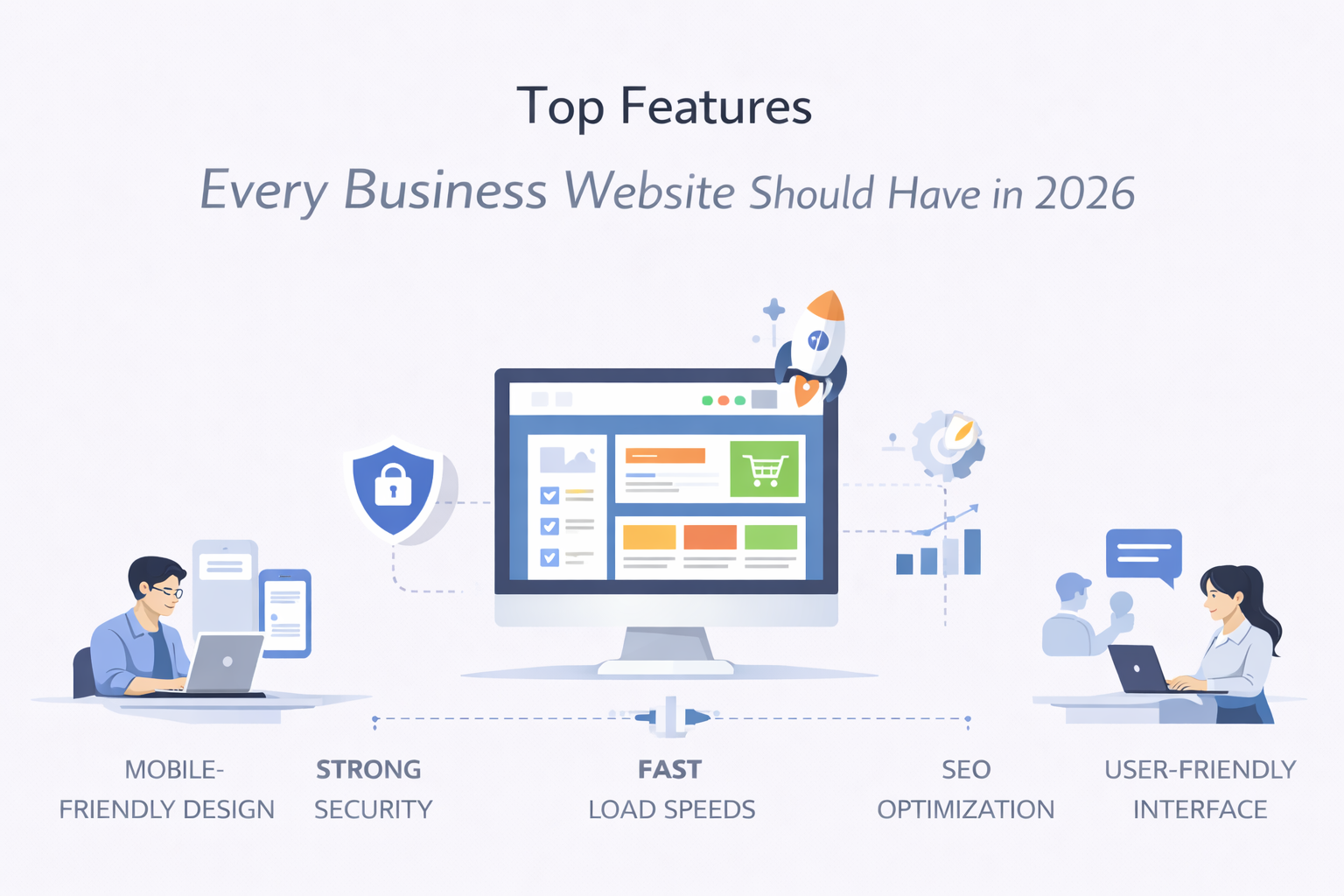
In 2026, businesses need websites that are not only visually appealing but also fast, functional, and built for conversions. Mobile responsiveness, strong branding, fast loading speed, inquiry tools, SEO, and security are no longer “nice to have” features. They are essential.
Businesses that invest in the right website features are more likely to attract visitors, keep them engaged, and turn them into paying customers.